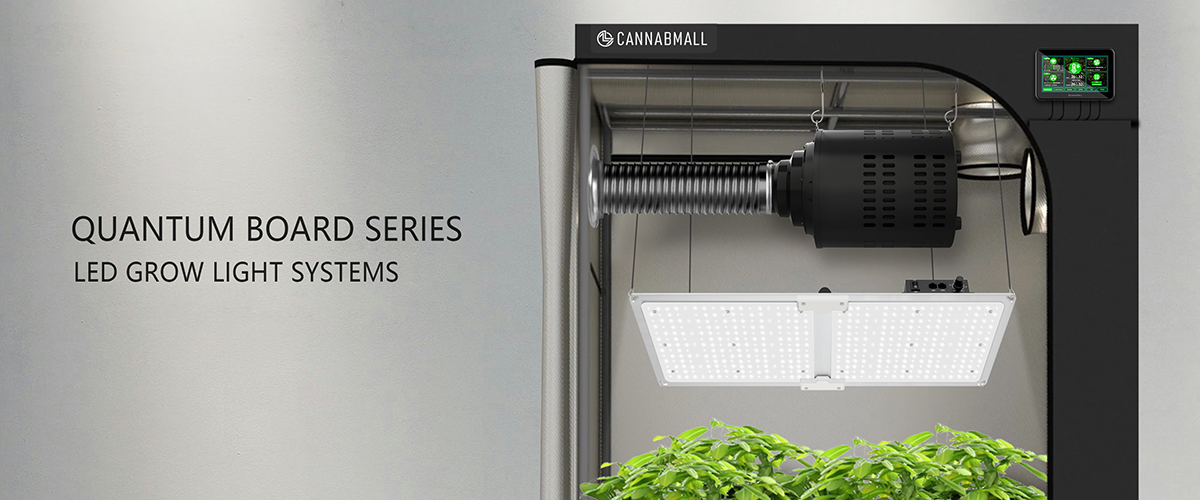
An EC fan uses a brushless DC motor with built-in electronics that convert AC power to DC. This design combines the efficiency of DC motors with the convenience of AC power supply. Unlike traditional AC fans that use voltage to control speed, EC fans use electronic commutation for precise, efficient operation.
EC motors have three key components:
The controller adjusts the magnetic field in real-time, allowing the motor to maintain optimal efficiency across all speeds. This is fundamentally different from AC fans, which lose efficiency at lower speeds.
| Feature | EC Fan | AC Fan |
|---|---|---|
| Efficiency at low speed | High (70-80%) | Low (30-40%) |
| Speed control | Continuous (0-100%) | Stepped (3-5 levels) |
| Power consumption | 30-50% lower | Baseline |
| Motor life | 50,000+ hours | 20,000-30,000 hours |
| Noise at low speed | Very low | Moderate |
| Cost | Higher upfront | Lower upfront |
EC fans can reduce ventilation power consumption by 30-70% compared to AC fans. At lower speeds — which is how most grow rooms operate — the savings are most significant. A 6-inch EC fan running at 50% speed can save over $200 per year in electricity costs.

EC fans support continuous speed adjustment from 0 to 100%. This allows you to:
At lower speeds, EC fans produce significantly less noise than AC fans. This matters for home growers who need to keep noise levels down. The difference can be 10-15 dB at 50% speed.
EC motors have no brushes to wear out, resulting in typical lifespans of 50,000+ hours. That is 5-6 years of continuous operation, compared to 2-3 years for AC fans.
EC fans are worth the investment when:
EC fans represent the future of indoor growing ventilation. While the upfront cost is higher, the combination of energy savings, precise control, quieter operation, and longer lifespan makes them the better long-term investment for serious growers.